
Loading...
Crumbling mortar lets Jonesboro rain straight into your brick walls. We remove the old material and pack in fresh mortar so your masonry is sealed and solid again.
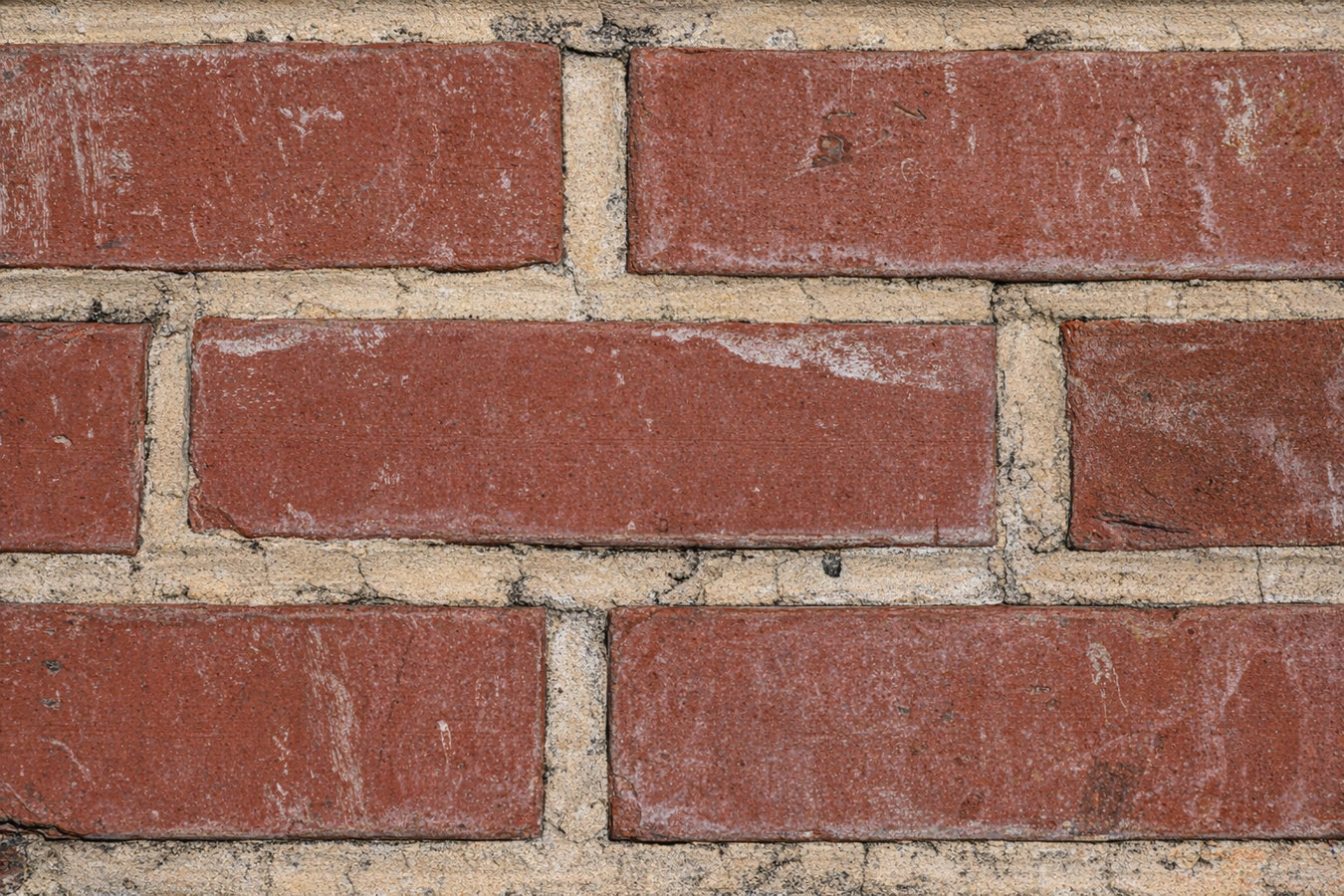
Tuckpointing in Jonesboro, AR means removing the worn mortar between your bricks down to a solid depth, then packing in fresh material that seals the wall against moisture - most chimney and wall-section jobs wrap up in one to two days.
Mortar is designed to wear out before your bricks do. It absorbs stress and moisture so the bricks stay intact. When the joints start to crack or pull away from the brick face, water has a direct path into your wall. In Jonesboro, where we get close to 50 inches of rain a year and freeze-thaw cycles every winter, that path gets used constantly.
The good news is that tuckpointing is one of the most cost-effective repairs in masonry. If you also have bricks that have cracked or shifted, we handle that work too - see our brick repair page for details on how those two services work together.
Stand back about 10 feet and look at your brick walls or chimney. Dark gaps where the mortar lines should be, or mortar that looks recessed and crumbly, means the joints have failed. Run a key along a joint - if material falls out easily, it is well past due for replacement.
Those powdery white streaks are called efflorescence - mineral salts left behind when water moves through the wall and evaporates at the surface. In Jonesboro's wet climate this is a reliable early warning. The bricks are fine for now, but water is already finding a way inside through the joints.
Diagonal cracks that zigzag along the mortar lines - rather than cutting through bricks - often point to the seasonal soil movement common in Jonesboro's clay-heavy ground. The joints open up as the foundation shifts slightly. The longer they stay open, the more water gets in each storm season.
Chimneys take the most weather abuse of any masonry on your home - exposed on all four sides and sitting at the peak. If the chimney mortar looks softer, darker, or more recessed than the rest of the house, it is likely further along in deterioration. Jonesboro freeze-thaw cycles hit chimneys especially hard.
Every tuckpointing job starts with grinding or chiseling the old mortar out to a meaningful depth - typically three-quarters of an inch or more - so the fresh material has a solid surface to bond to. We select a mortar color and mix that matches your existing joints as closely as possible, then pack the new material in by hand and tool each joint to match the original profile. The result is a weatherproof seal that also looks like it has always been there.
For jobs where the mortar damage has gone further and actual bricks have cracked, spalled, or shifted, we coordinate brick repair alongside the tuckpointing so you get one clean result instead of two separate visits. We also offer brick pointing for detailed finish work on historic or decorative masonry where the joint profile and color match require extra care.
Best for homeowners whose chimney mortar has deteriorated faster than the rest of the house due to all-sides weather exposure.
Suited to homes where large sections of brick siding or retaining walls show widespread joint failure from years of rain and temperature swings.
The right choice when damage is limited to one area - around a window, along a single course of brick, or at a foundation line - and the rest of the masonry is still sound.
For homeowners who want the repair to be invisible - we mix or select a mortar blend, show you a dry test patch, and adjust before completing the full job.
Jonesboro sits in a climate zone where winter temperatures regularly dip below freezing and bounce back up within the same week. That repeated freeze-thaw cycle is one of the most destructive forces mortar faces - water in the joints expands when it freezes and contracts when it thaws, working the mortar loose from the inside out. Add the fact that Jonesboro gets close to 50 inches of rain per year and summer humidity regularly in the 70-80 percent range, and failing mortar joints rarely get a chance to dry out between weather events. Many homes in the established neighborhoods near downtown and along the older residential corridors were built between the 1940s and 1970s, putting their original mortar well past its expected service life. The Paragould area and communities like Trumann share similar clay soil conditions and housing stock, so we see the same patterns across the region.
The clay-heavy soils in Craighead County expand when wet and shrink when dry, and that seasonal movement puts additional stress on masonry walls and chimneys. If you notice stair-step cracks following the mortar lines - a pattern caused by the foundation shifting slightly with the seasons - tuckpointing the affected joints is the right first step. Catching it at this stage is far less expensive than waiting for water to get inside the wall and cause damage to sheathing or framing. The best scheduling window here is spring or early fall, when temperatures are in the right range for mortar to cure properly. A quick call today locks in a slot before the summer heat makes scheduling harder for everyone. For detailed advice from a trusted industry source, the Brick Industry Association publishes solid guidance on mortar joint maintenance.
Tell us what you are seeing - gaps, crumbling, stains, or cracks. You do not need to know the technical details. We respond within one business day and can often give you a rough range over the phone before we even visit.
We come to your home, walk the affected area, check how deep the mortar damage goes, and assess whether any bricks need replacement alongside the tuckpointing. You get a written quote within 24 to 48 hours - no obligation.
The crew grinds out the old mortar - the noisiest part of the job - then packs in fresh material and tools each joint to match the existing profile. Drop cloths protect your landscaping and patio throughout.
We sweep up debris and walk through the finished work with you before leaving. Fresh mortar needs 24 to 48 hours before it gets wet. During Jonesboro summers we may recommend lightly misting new joints to prevent the heat from drying the mortar too fast.
No pressure. We give you a written estimate before any work starts.
(870) 393-5650We select or mix a mortar color to match your existing joints and show you a dry test patch before completing the job. Color shifts as mortar cures, so we walk you through what to expect at each stage.
We have worked on brick homes across Jonesboro's established neighborhoods and know the freeze-thaw and clay soil conditions that accelerate mortar wear here. Local experience means fewer surprises once work begins.
We hold all required Arkansas contractor licenses and carry full insurance on every job. Hiring a licensed mason means you have a formal avenue for questions or concerns - and we stand behind our work. Learn more at the Arkansas Contractors Licensing Board.
You get the scope and price in writing before we touch anything. If something unexpected comes up during the job, we talk to you before doing any work that changes the cost.
Every job we take on in Jonesboro is backed by local knowledge of the soil conditions and housing stock that shape how masonry ages here. You get straight answers, a clean worksite, and mortar joints that are built to last through Arkansas winters.
Cracked or displaced bricks alongside worn mortar joints get replaced to restore your wall's full strength and appearance.
Learn MorePrecision mortar joint finishing that restores the clean, tight profile between bricks on detailed or historic masonry.
Learn MoreSpring booking slots fill fast. Lock in your tuckpointing date before the summer heat makes scheduling harder for everyone.