
Loading...
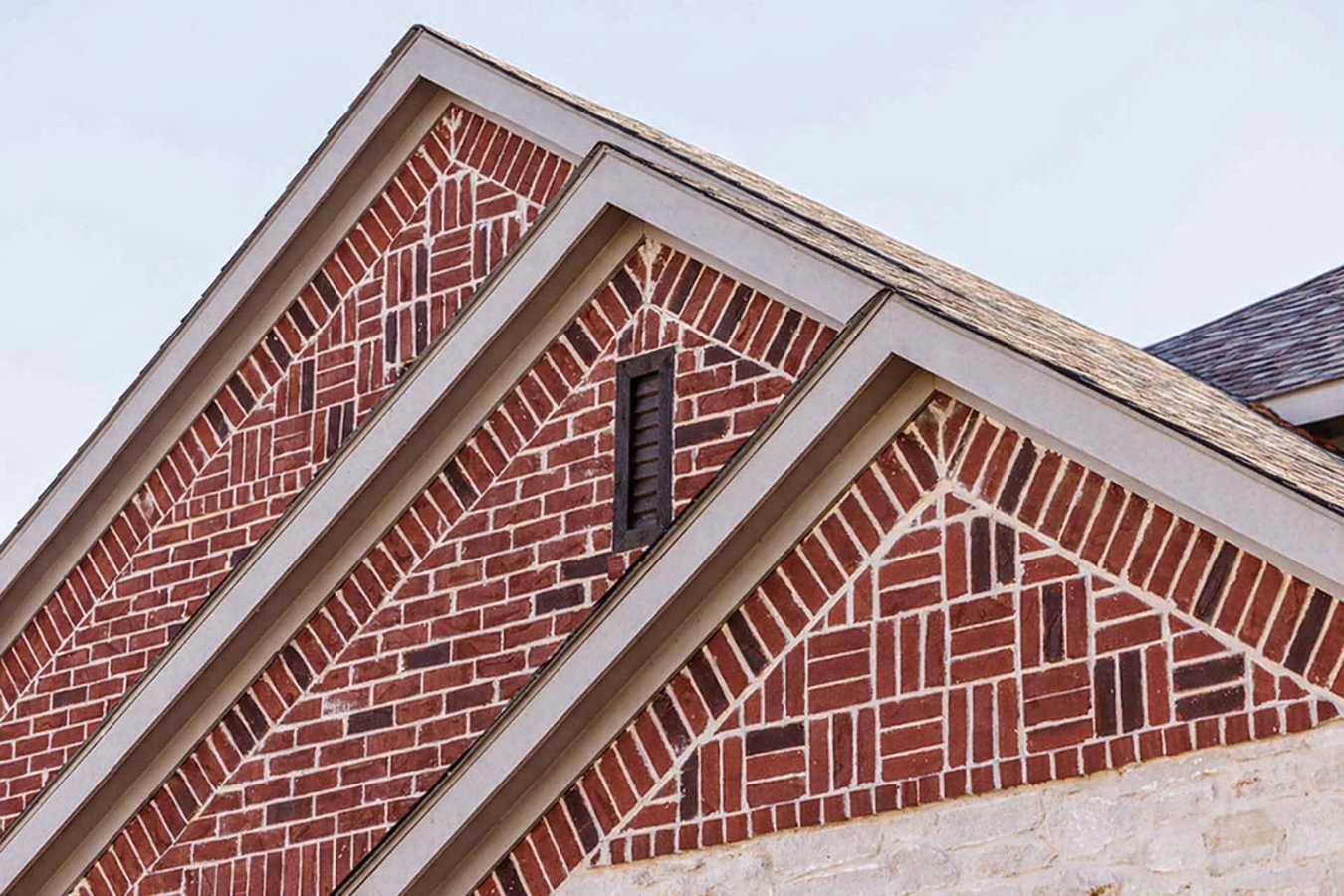
Crumbling mortar and spalling bricks leave your home open to water damage every season. We repair and restore brick and stone so your walls stay solid and tight.
Masonry restoration in Jonesboro means repairing and stabilizing brick, stone, or concrete block that has started to deteriorate - filling crumbling mortar joints, replacing damaged bricks, and sealing against moisture - without tearing out and rebuilding the entire wall. Most jobs are completed in one to five days depending on the scope.
If your Jonesboro home is showing soft mortar, cracked bricks, or white staining on the wall face, those are early warnings that water is working its way in. The good news is that masonry caught at this stage is far less expensive to fix than masonry that has been ignored through another freeze-thaw season. In some cases, a targeted repair can be paired with fireplace installation or other masonry upgrades to cover the full scope of your project in one visit.
For homes in Jonesboro that need attention to individual joints specifically, our stone masonry services cover decorative and structural stonework as well.
Walk up to your brick wall or chimney and press firmly on the mortar between a few bricks. If it crumbles or feels soft and sandy rather than hard, the mortar has deteriorated past the point where it is doing its job. Catching this before water gets in is the least expensive time to act.
Jonesboro's clay-heavy soil expands and contracts with moisture changes, and that movement often shows up as cracks in brick walls near corners or where a wall meets a foundation. Cracks that appeared after a particularly wet spring or a long dry summer will only grow if left alone.
That chalky residue - called efflorescence - is a sign that water is moving through the masonry and carrying dissolved salts to the surface. It is not dangerous on its own, but it tells you moisture is getting in through failing mortar joints. In Jonesboro's humid climate this is a common early warning sign homeowners often miss.
When bricks start to flake - a process called spalling - it usually means water has been getting in for a while and Jonesboro's freeze-thaw cycles have done their work. Once the outer face of a brick breaks away, the exposed interior absorbs water even faster and the problem accelerates.
Our masonry restoration work covers the full range of what Jonesboro homes need. The most common task is tuckpointing - carefully removing deteriorated mortar and packing in fresh material that matches the original in type and color. For homes built before 1980, matching the mortar hardness to the original lime-based mix is critical, because using a harder modern mix can crack the surrounding bricks over time. We also handle individual brick replacement for bricks that have spalled past the point of repair, and we apply breathable water repellents after the work cures to slow future moisture intrusion. When the pattern of damage points to an underlying soil movement issue - common with Jonesboro's expansive clay - we will tell you that honestly before we start patching.
For chimneys that need attention alongside the main restoration work, we can pair the visit with a fireplace installation assessment or a full chimney evaluation. Homes that include decorative or structural stonework can also benefit from our stone masonry services, which cover natural and cut stone repair and installation.
Best for homes with soft, crumbling, or missing mortar joints that need to be ground out and replaced before water gets in.
Best for walls where individual bricks have flaked or broken apart and need to be removed and set with matching replacements.
Best for chimneys showing efflorescence, missing mortar, or deteriorating crowns that take the most weather exposure of any masonry on the home.
Best for walls with visible white staining where the source joints have already been repaired and the surface needs to be cleaned and sealed.
Best for walls with diagonal or stair-step cracks that may indicate soil movement and need evaluation before cosmetic repair begins.
Jonesboro sits in a climate zone where winter temperatures regularly dip below freezing and then rebound - sometimes multiple times in a single week. That freeze-thaw pattern is one of the most destructive forces for brick and mortar, because water seeps into tiny cracks, freezes, expands, and widens those cracks a little more each cycle. Homeowners here tend to see mortar deterioration faster than people in consistently cold or consistently warm climates, which means a visual check every few years is worth doing. The city also has a significant number of homes built between the 1940s and 1970s, particularly in neighborhoods like Brookhaven and near downtown - brick homes from that era were built with softer, lime-based mortars that behave differently from modern materials and require a contractor who understands the difference.
The clay-heavy soils across much of Jonesboro add another layer of complexity. Clay swells when wet and shrinks when dry, putting stress on brick foundations and exterior walls over time - and the crack patterns that result can look like simple mortar wear but are actually telling you something about what is happening underground. We serve homeowners throughout the Jonesboro area, including those in Paragould and Batesville, where similar soil and housing conditions create the same masonry challenges.
Call or fill out the contact form and we will get back to you within one business day. We will ask a few basic questions - what you are seeing and roughly how old the home is - so we can come prepared for the site visit.
We walk the affected area carefully, tap bricks to check for hollow spots, and look at crack patterns that might indicate a deeper cause. You get a written estimate that breaks down what work is needed and why - not just a number.
We use a small angle grinder or hand tools to remove damaged mortar to a consistent depth - typically about three-quarters of an inch - then pack in fresh mortar matched to your home's original mix. We lay drop cloths to protect landscaping and clean up each day before leaving.
When the mortar work is done, we walk the finished job with you and show you what was repaired. Fresh mortar needs 24 to 48 hours before it gets wet and up to a week to reach full strength, so we cover what to avoid during that window.
Free estimates, no pressure. We reply within one business day.
(870) 393-5650Using the wrong mortar mix on an older Jonesboro brick home can cause bricks to crack over time - a more expensive problem than the original repair. We assess the original mortar type and match hardness and composition to what was there, not just what is on the truck.
Jonesboro's clay soils shift with the seasons, and those shifts often show up as cracks that look like simple wear. We look at the full pattern of damage before quoting a repair, so you know whether you are dealing with normal weathering or something that needs a different fix first.
We have worked on brick homes throughout Jonesboro and the surrounding northeast Arkansas region. That history means we recognize the specific housing stock, soil conditions, and seasonal patterns that affect how masonry holds up here.
Arkansas requires contractors above a certain project threshold to hold a state license. You can verify our standing in under two minutes at the Arkansas Contractors Licensing Board website, which means our work is tied to a real, accountable credential.
The Brick Industry Association sets the standards that define what good brick and mortar work looks like. We work to those benchmarks on every Jonesboro project, so you have a recognized reference point for the quality of what you are getting.
Add a masonry fireplace to your Jonesboro home - built with the same attention to soil conditions and local housing stock that drives our restoration work.
Learn MoreNatural and cut stone repair and installation for Jonesboro homes that want the look and durability of stone alongside or in place of brick.
Learn MoreEvery winter that passes with failing mortar joints means more water gets in. Call us now and we can schedule most jobs within the week.