
Loading...
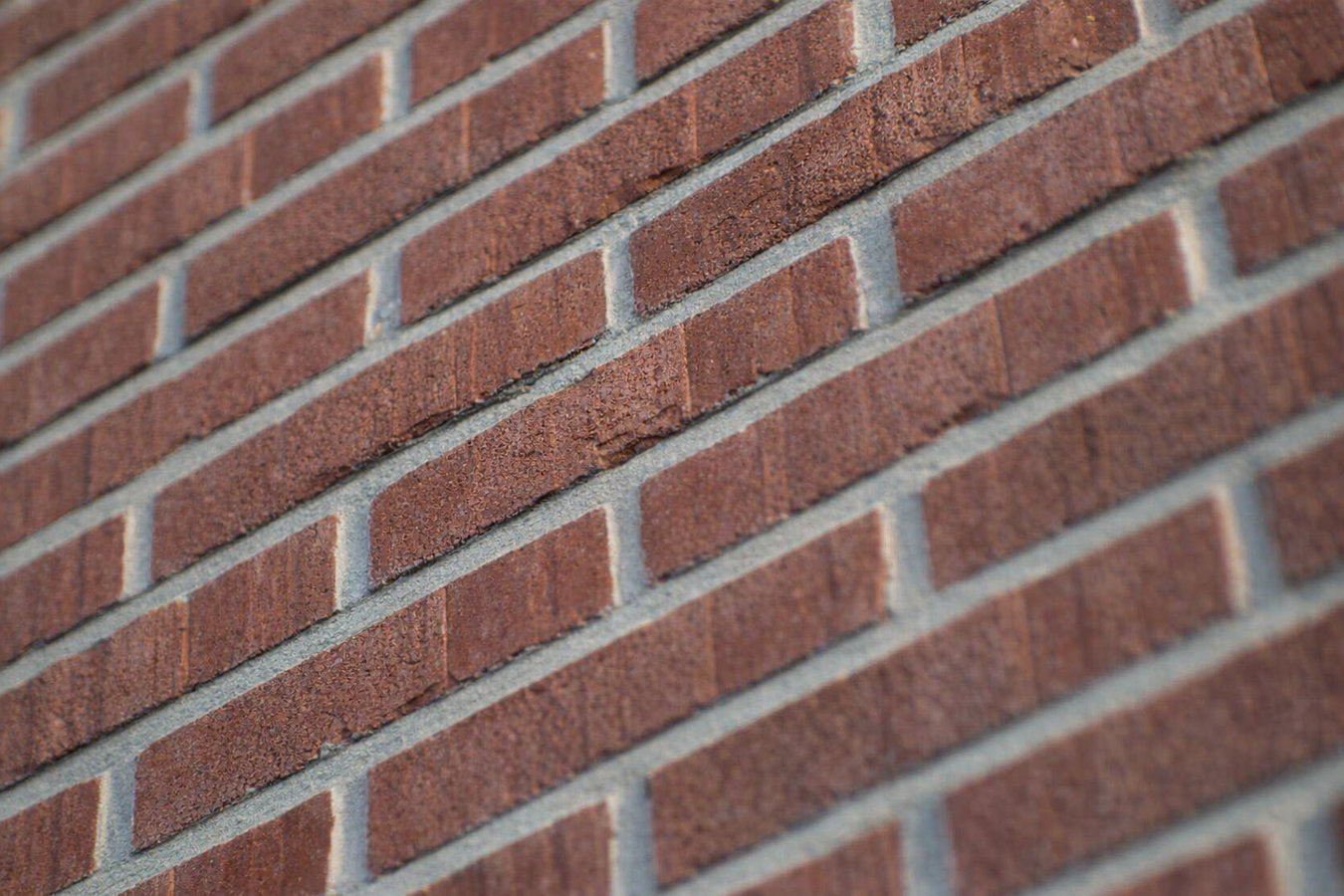
Failing mortar joints let water into your walls with every storm. Brick pointing removes the old, crumbling material and replaces it with a fresh mix matched to your brick - the right fix before the damage reaches your interior.
Brick pointing in Jonesboro is the process of chiseling out deteriorated mortar from the joints between bricks and packing in fresh mortar - most jobs on a chimney or single wall section take one to three days, and the result seals out water before it can reach interior framing or drywall.
Mortar is designed to be the sacrificial layer in any brick structure - it absorbs the stress from temperature swings and moisture so the bricks themselves do not crack. Over time, that protection wears down. In Jonesboro, the combination of hot humid summers, heavy annual rainfall, and winter freeze events means mortar wears out faster here than it would in a drier climate. Jonesboro has a significant number of brick homes built between the 1940s and 1980s, and many of those homes have never had their mortar inspected - let alone replaced. If you have a brick structure showing any of the warning signs below, catching it early is the difference between a straightforward repoint and a much larger repair. Homeowners dealing with broader brick structure issues may also want to consider masonry restoration as part of the same assessment.
Call us at (870) 393-5650 or request a free estimate and we will walk your exterior and tell you honestly what needs attention and what can wait.
Press your thumb firmly against a mortar joint on your wall or chimney. If the material crumbles, flakes off, or feels soft and sandy rather than hard, that joint has failed. Healthy mortar should feel as solid as the brick itself. When it does not, water is already getting in with every rain.
Stand back and look at your brick in good daylight. If you can see gaps, holes, or sections where the mortar has pulled back noticeably below the face of the brick, water is funneling in. In Jonesboro's wet summers, those gaps act like channels - every storm pushes more moisture deeper into the wall.
A chalky white residue on your brick surface - called efflorescence - means water is moving through the wall and carrying mineral salts out as it evaporates. It is an early warning that moisture is getting in somewhere, often through failing mortar joints. In Jonesboro's high-humidity environment, this staining tends to appear after heavy spring rain seasons.
Jonesboro's clay-heavy soils expand and contract with the seasons, and that movement often shows up as diagonal cracks in mortar joints at building corners or above windows and doors. These cracks indicate the wall may be shifting slightly, not just that the mortar is aging. Catching them early limits the scope of the repair.
Every brick pointing job we do follows the same process: remove the old mortar to a consistent depth, clean the joints thoroughly before any new material goes in, then pack fresh mortar in layers and tool each joint to match the original profile. The mortar we use is selected based on the hardness of your specific brick - using a mix that is too hard for your brick type can cause the bricks themselves to crack, which is a far more expensive problem than the original mortar failure. Color matching is part of the job too. Fresh mortar always looks darker than cured mortar, and we account for that so the finished result blends naturally with your existing wall rather than standing out as an obvious patch.
For homeowners whose brick has larger structural concerns beyond just the mortar joints, brick pointing is often the starting point for a broader foundation repair assessment, or it can be combined with masonry restoration work on the same visit. Pairing both services saves a return mobilization and keeps the project on one timeline.
Suits homeowners with a chimney showing crumbling or recessed mortar - chimney mortar takes more abuse than any other part of a brick structure and needs more frequent attention.
Suits homeowners with older brick homes where mortar across a full wall section or facade has deteriorated and is allowing moisture into the wall cavity.
Suits homeowners with isolated areas of joint failure - a section near grade level, around a window opening, or at a corner - where damage is contained and a full repoint is not yet necessary.
Suits homeowners with mortared stone or brick garden walls whose joints have softened over time from ground contact, moisture, and seasonal soil movement.
Jonesboro sees around 50 inches of rain per year, and the city has a large stock of brick homes built between the 1940s and 1980s - many of which have never had their mortar replaced. That combination of age and climate creates real urgency. Hot, humid summers work moisture into mortar joints season after season. The winter months bring freeze events that expand any water already trapped in those joints. Over enough cycles, what started as surface erosion becomes a path for water to reach interior framing, insulation, and drywall. The clay-heavy soil in the Jonesboro area adds another factor: ground movement puts stress on lower brick courses and at wall corners, accelerating joint failure in the spots most exposed to that pressure.
We work regularly throughout Jonesboro and surrounding communities. If you are in Paragould or out in Batesville, we serve those areas and understand the local brick housing stock in each. The Brick Industry Association and the Chimney Safety Institute of America both publish useful guidance on mortar maintenance and inspection intervals that are worth reviewing if you are evaluating the condition of your own home.
We ask a few basic questions about where the problem is and how large the affected area looks. Send a photo if you have one - it helps us come prepared. We respond within 1 business day to schedule a visit.
We walk the affected area, check how deep the joint damage goes, and look for signs of underlying water damage or soil movement. Before leaving, we give you a written estimate that breaks down scope and cost - not just a single number.
The crew grinds out the old mortar, vacuums the joints clean, and packs in fresh mortar in layers. Each joint is tooled to match the original profile. The brick face is cleaned of any mortar smears before the crew leaves for the day.
Fresh mortar needs 24 to 48 hours before it can get wet, and up to 28 days to reach full strength. We walk you through the finished work and tell you exactly what to avoid during the curing window - no guessing on your end.
We will walk your exterior with you, show you exactly what needs attention, and give you a written estimate - no obligation to move forward.
(870) 393-5650Using mortar that is too hard for your brick type is one of the most common mistakes in repointing work - it looks fine at first, then causes the bricks themselves to crack as temperatures change. We assess your existing brick before choosing a mix, so the repair does not create a new problem. This matters especially on older Jonesboro homes with original brick from the mid-20th century.
If your mortar is surface-level erosion that a repoint will fix, we will tell you that. If the damage is deep enough that repointing alone will not solve the underlying problem, we will tell you that too - before you spend money on a repair that will not hold. Jonesboro's clay soil means some movement is normal, and knowing the difference between routine settling and structural concern is genuinely valuable.
Arkansas requires masonry contractors to hold a license through the Arkansas Contractors Licensing Board. You can look up our credentials on their website before anyone starts work - that is the level of accountability that matters when you are letting someone work on your home.
Jonesboro gets about 50 inches of rain per year - well above the national average - and sees both summer heat that can exceed 95 degrees and winter freezes that stress fresh mortar. We schedule and apply mortar with those conditions in mind, protecting fresh joints from drying too fast in summer and from freeze damage in colder months.
The right mortar mix, an honest scope assessment, a verifiable license, and scheduling that accounts for local weather conditions - these are the four things that separate a repointing job that lasts 30 years from one that needs to be redone in five.
Address underlying foundation movement that can accelerate mortar joint failure in lower brick courses.
Learn MoreBroader masonry repair and restoration work for structures where damage extends beyond the mortar joints alone.
Learn MoreSpring and fall booking windows fill up fast - lock in your date now before Jonesboro's summer heat makes scheduling harder.